
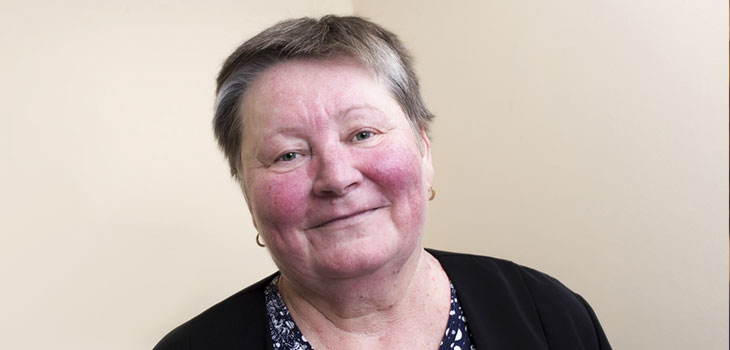
One great thing about passing through the teen years is leaving behind blackheads, zits, and pimples. Although the hormonal years between childhood and adulthood can be facially troublesome and can seem endless during the transitional phase, most individuals only deal with acne on a short term basis and then have relatively clear complexions.
Some people, however, revisit the days of lousy skin further down the path of life. It can happen rather suddenly or creep up quite unexpectedly. One glimpse in the mirror says it all—adult acne. Ugh. Adults have enough to deal with without having to start thinking about ways to clear a pimple before the next day in the office or before carting the kids to ball practice or before stopping off to pick up bread and bologna at the grocery.
Before running out and stocking up on teen complexion products during the shopping run, it’s important to know that pimples (and other related skin eruptions) experienced in the later years are not the same as those fought during adolescence and that the treatment is an entirely different ball (or lotion and pill) game. In fact, the term adult acne, though still commonly used, is outdated and does not reflect the unique adult skin conditions that may look similar to skin problems of the young but are unique to the adult skin world. If you’re an adult and having facial skin problems, then you’re almost certainly dealing not with acne but with rosacea.
Adult Acne (Rosacea)
With the longer lifespan and more adults experiencing rosacea, the disease has come taken as one of many conditions which may impact during the middle to later years. The average sufferer of rosacea is between ages 30 and 50 though a very few teens have gets diagnosed with the condition and some elderly patients present with the disease. Approximately 14 million individuals are thought to be suffering from rosacea.
Rosacea is a condition found almost exclusively in the fair-skinned populations. A few documented cases from people with more skin pigmentation recorded, but such occurrences are rare. As a rule, individuals of northern and eastern European descent (Celtic, English, and Scottish) are especially susceptible to the condition. The disease does seem to run into familiar reflecting, most probably, some genetic tendency to inherit skin or underlying problems which cause the skin to malfunction later in life.
With speculation that Princess Diana of England suffered from the condition (before her untimely death), awareness increased and media attention concerning the situation increased. It means that today, the disease is more easily recognized and acknowledged though little is still known or someone has adequately tested it about rosacea and the community of sufferers.
Rosacea – Myth Busting
In the past, the disease was generally considered just another form of acne or mistakenly thought to be a reflection of drinking too much alcohol.
While acne is a disease associated with the skin surface, rosacea seems to be related to the vascular system (or the flow of blood in the face). Acne tends to involve the skin pores and tends to be bacterial; rosacea runs deeper and appears to be a more systemic condition.
Though a person may have acne as a teen and rosacea as an adult, there is no link. It’s also possible to experience both acne and rosacea simultaneously; the age segmentation as far as those suffering from the two distinct conditions makes this quite rare regarding clinical diagnoses.
As far as the association with excessive consumption of alcohol, it is true that drinking alcoholic beverages may trigger a flare for those predisposed or complicate the condition given the role of alcohol in vascular or blood flow. Rosacea is indeed not, however, a simple by-product of consuming a few beers or even drinking heavily and on a daily basis. Many sufferers do not drink at all, and some do so without ill effects regarding the disease. While patients dealing with rosacea should evaluate consumption of alcoholic beverages (and may opt to avoid alcohol about the condition or for other reasons), the disease is indeed not a drinking induced disease or a reflection of a substance abuse problem.
Rosacea – In the Beginning
Though rosacea may mimic acne in some patients, in most cases the signs, particularly in the beginning, suggest sunburn rather than an acne-type disease. It seems that suddenly the face is ultra sensitive to sun, heat, or to emotional triggers.
A sporadic or chronic flush begins to show up mainly in the centre of the face across the nose and cheeks. Generally, it is no huge concern, and many rosacea sufferers start using sunscreen products thinking that the redness is only cosmetic and an indication of lax skincare related to sun exposure. It may seem odd (if given much initial consideration) especially if burning has not been a concern in the past, but the problem usually seems quite minor in the beginning stages. A little colour across the cheeks may, in fact, look attractive.
Unfortunately, most cases of rosacea progress and involve more than just a light flush. While a light splash of colour may cause little panic, beat red skin which can’t be camouflaged by foundation becomes a more severe cosmetic (and health) concern. No one wants to look to be on the verge of a major heart attack with beat red cheeks which often look blotchy and splotchy rather than lightly kissed by the sun.
After exhausting some higher SPF coverage products with little to no relief from the redness, many individuals (especially women) will consult a doctor when rosacea is in the neon face stage.
In fact, it’s essential to see a medical doctor if dealing with rosacea. Most cases only get worse and more complicated with time. And, rosacea can and often involves much more than a facial colouration problem. The early stages can progress (and often quickly) to more severe concerns including:
Types/Stages of Rosacea
1. Vascular Rosacea—In addition to problems with redness (usually chronic at this point), those in the vascular stage often begin to notice small blood vessels (telangiectasia) appearing on the face. These broken vessels look a bit like varicose veins on the legs and appear as thin red pencil lines patterned on the cheeks or around the nose.
2. Inflammatory Rosacea—At this stage, papules (bumps) and pustules (bumps containing pus) begin to appear. Rather than being surface pimples (which usually resolve rather quickly), these tend to be thick and more painful than those associated with teen pimples. If (and when) the bumps do drain, they often leave unsightly scars.
3. Advanced Rosacea—If left untreated, rosacea usually continues to deepen as far as the red colouration, and telangiectases and bumps become more plentiful, larger, and more painful. The skin may thicken and become leatherlike. Some men (though rare women) may begin to develop rhinophyma which is a condition where the nose starts to thicken and become bulbous in appearance. W.C. Fields experienced problems with rhinophyma, and a quick look at photos available online will show that nose involvement can be quite unsightly.
At any stage during the disease, the skin may be sensitive. Lotions and make-up may cause a burning sensation when applied. Many sufferers also notice an uncomfortable feeling of heat in the affected areas which can often be felt by others as well by touching the face. In other words, the person with rosacea may often feel too warm, and that heat is real enough to be handled by others in much the same way parents take a quick forehead temperature check of children by placing the back of the hand to the forehead.
Another concern is that the eyes are often involved when someone suffers from rosacea. Eyes may become sensitive to light, burn, and begin to feel like sand in the eyes. Eye infections may also occur and can be quite dangerous if not addressed.
Getting Help for Rosacea
If you suspect you have rosacea (or any other skin problem), then bring the issue to the attention of your general practitioner. Although some skin conditions can impact on the face including eczema, psoriasis, and shingles, rosacea is typically recognized and identified by the family doctor without some costly tests.
Most patients with or suspected of dealing with rosacea goes to a skin specialist (dermatologist). Since the disease is long-term and chronic (though characterized by periods of remission with treatment and careful management), you should maintain a healthy working relationship with an expert in the area of skin care.
After an initial consultation and treatment, most patients follow up with a few visits until the condition is under control. Once controlled, most medical care is on an as-needed basis. Some patients may need reevaluation periodically. Some may rarely ever need to seek intervention once on track with a diligent avoidance program in place.
Management of Rosacea
Though doctors do not know what causes rosacea and though no cure exists at present, current treatments have proven to be reasonably competent as far as keeping the condition in check.
Most patients presenting with active stage rosacea gets both oral steroids and topical creams for initial treatment. Low dose oral antibiotics (usually tetracycline) are prescribed to be taken daily along with and then followed by the use of topical antibiotics. In other words, patients take pills for weeks along with using a lotion and then continue with cream for a short period following the treatment or on an as-needed basis.
In most cases, the double attack works but may take two months or more to bring about partial or total remission. Typically, doctor discountinue the oral antibiotics when substantial improvement is noted, since some of the side effects of oral antibiotic use can be rather unpleasant (stomach upsets, photosensitivity, yeast infections). Given the low doses prescribed, most patients do not have problems with the side effects, and very few experience difficulties with the maintenance of antibiotic creams. Creams too can be discontinued when the condition stabilizes or clears.
With a generation raised on antibiotics, concerns do exist with the prolonged use of condition-fighting medications in dealing with infections which can change over time and become resistant to current treatment combinations. As in other medical areas coping with human infections, researchers look at and evaluate the effectiveness and continued usefulness of current antibiotic treatments. Facial infections related to rosacea continue to shift meaning that antibiotic therapies can (and have to some extent) become less effective over time. Overall, though, the classic treatment for rosacea has been working for most patients.
Keeping Rosacea in Check
Once a case of rosacea is under control (and during the treatment period as well), the patient needs to identify and avoid flare triggers. Prevention is the best approach and also helps ensure that back-up antibiotic treatments do not become ineffective due to shifting disease characteristics.
Almost all rosacea sufferers are sun sensitive and need to take great care in protecting the skin (especially facial skin) from exposure. A daily mild cleansing routine followed by the application of some sun screen is almost universal for those dealing with rosacea. Some companies carry products for sensitive skin that include sun protection including Estee Lauder and Oil of Olay. Most patients can use these products though some may need to explore more natural options like those offered by companies like Mineral Secrets.
A high number of patients with rosacea also have difficulties with temperatures and particularly with heat. Though most activities are not limited, some may need to be modified to include some temperature offset like extra air conditioning or at least breaks from higher than average heat levels. A brisk walk outside during the summer may be less healthy for a rosacea sufferer than work out on a treadmill in a gym with moderated temperatures.
Other triggers noted by some rosacea patients include:
Stress— Stress complicates almost any medical condition, and rosacea is no exception. Although you cannot avoide daily life and sudden life change stresses, a good plan for and healthy approach to dealing with the inevitable challenges of life is essential.
Overexertion—Any activity which causes physical stress can cause a facial flare. Patients dealing with rosacea may find that running hard and fast, mowing the yard, or even high energy vacuuming can cause facial colouration. Pacing strenuous activities and taking occasional breaks can help with these problems.
Diet—A healthy and balanced diet is essential, but rosacea patients must be extra diligent. A general system problem can be quickly translated to skin problems in general and rosacea flares in particular. Also, some foods seem to bother those with rosacea. Hot and spicy foods, in particular, serve as triggers for many dealing with rosacea.
Alcohol—Though some rosacea patients can (and do) imbibe, many find that even one drink may cause a sudden redness which may progress to more severe rosacea problems. Both beer and wine tend to cause more problems as far as flares for rosacea patients, so mixed drinks in moderation tend to be more realistic.
Smoking—Nicotine is unhealthy to the system in general, but since it impacts blood flow, it’s particularly troublesome for those suffering from rosacea.
Some patients also have linked flares to the following:
- taking hot baths or sitting in hot tubs
- drinking hot beverages (coffee, tea, cocoa)
- using various skin care or make-up products
- ingesting artificial sweeteners
- eating particular foods (hard cheese, sour cream, processed meats, tomatoes, chocolate, yoghurt, soy sauce)
- sleeping less than needed
- exposure to pollen/ mould (and other allergens)
Though patients (and doctors) do note some trends when it comes to triggers, individual reactions vary greatly. Some rosacea sufferers may react to noted triggers while others may not. Even a particular patient may note a problem with something one time and then not at a later time. Overall though, it’s usually possible to observe and to avoid those activities and substances that tend to cause health problems.
Support for Rosacea Patients
Although rosacea can seem like a minor health concern in the grander scheme of things, any condition impacting on appearance and the face, in particular, can be hard to deal. Most people do not like to go out and to interact when not looking their best, and chronic skin problems can leave rosacea patients wanting to sit on the sidelines rather than out there where everyone can see and ask, “What’s the matter with your face?”
Getting information about the condition and mentally preparing for questions can help diffuse uncomfortable situations as well as helping in the education of the general public when it comes to a common but relatively misunderstood health concern. A quick canned explanation naming the condition and the impact takes only a minute or so and gets the topic off the table.
Some patients opt to use make-up to conceal rosacea problems. In cases where the redness is a problem, a green-tinted make-up under foundation may mask odd colourations. It’s a good idea to test run various products since some patients find that various substances applied to the skin can cause further problems with the disease. Generally, though, most rosacea sufferers who want to use concealers can find products that work and do little or no further damage.
Joining support groups in the community or online can also be helpful for patients. It’s comforting to find others in the same boat, and groups tend to pass on new information about findings and treatment options quickly. One such group is the National Rosacea Society, 800 S. Northwest Highway, Suite 200, Barrington, Illinois 60010. You can also reach the group at 1-888-662-5874.
Basically Its a skin disorder and to prevent this disorder there is a need to consult a doctor or skincare, specialist. I love the detailing you shared about the skin disorder.